
Have you considered how a missed Wi-Fi connection can cost you a job interview or how an inaccessible app can block someone from essential healthcare? Digital inclusion determines who gets access to opportunities, services, and community. When those barriers appear, people are quietly pushed out. Understanding digital inclusion reveals how technology can both empower and exclude, and why closing the digital divide impacts us all.
Quick Summary
Digital inclusion ensures that everyone, regardless of background, income, or ability, can access and use digital technologies. This concept covers reliable internet, affordable devices, essential digital skills, and inclusive design. Without strong digital inclusion, people miss out on essential services, including education, healthcare, employment opportunities, and community participation. Closing the digital inclusion gap strengthens society, fuels innovation, and ensures no one is left behind.
Why Digital Inclusion Matters to You
Digital inclusion impacts your life in ways you may not immediately notice. Every time you book a doctor’s appointment online, pay bills through a mobile app, or connect with family across the country, you experience the benefits of a digitally inclusive world.
Defining Digital Inclusion in Your Daily Life
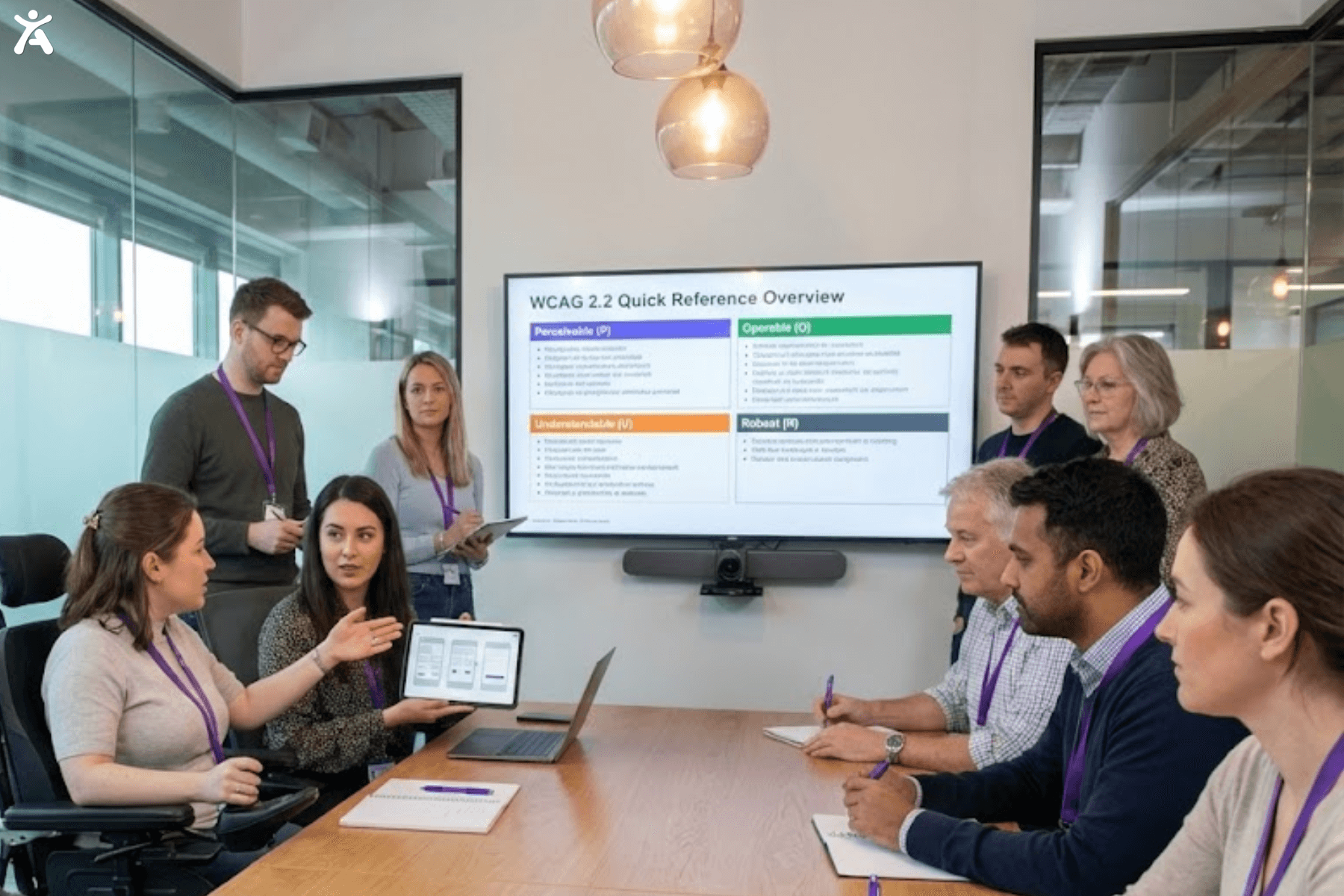
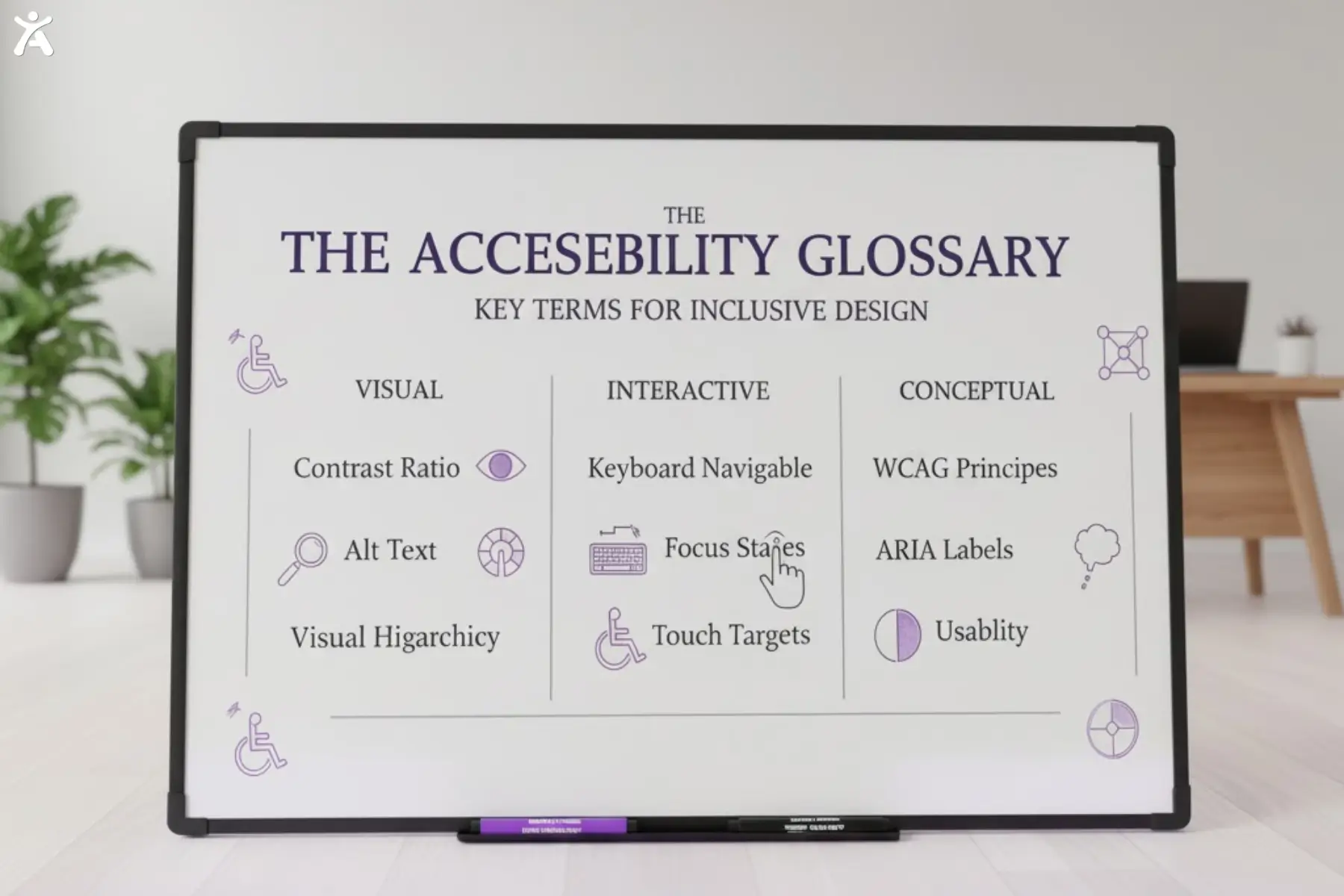
Digital inclusion means everyone can participate fully in our digital society. Understanding A11Y (Accessibility 11) meaning in web accessibility helps highlight why accessible design is crucial beyond simply owning devices or having internet access. True digital inclusion requires four key elements:
- Affordable high-speed internet access
- Reliable devices
- Skills to use them effectively
- Technology designed for everyone
Consider the last time you reset a password, navigated a new website, or solved a technical issue. For millions, these everyday tasks become significant barriers, blocking access to essential services and opportunities.
The “Digital Divide” as a Personal Barrier
The digital divide refers to the gap between individuals who can effectively access and utilize digital technologies and those who cannot. It shows up in several ways:
- Lack of broadband infrastructure in rural areas
- Unaffordable devices and internet plans
- Insufficient digital skills training
- Technology that does not accommodate different abilities
Rural communities often struggle with limited or nonexistent high-speed internet. Low-income families may have to choose between paying for internet access and covering other necessities. Older adults may lack the digital skills needed to navigate online systems. People with disabilities frequently encounter websites and apps that fail to meet accessibility standards. Tools like Accessify can help identify and fix accessibility gaps, ensuring online services are usable by everyone, even as other digital barriers persist.
These barriers create real obstacles, not just minor inconveniences. They lead to systemic inequalities in education, employment, healthcare, and civic participation. When large segments of the population remain digitally excluded, society loses their contributions, perspectives, and potential.
Digital Inclusion and the Key Pillars of a Connected Society
Digital inclusion relies on foundational pillars that work together, enabling meaningful participation in the digital economy and society.
What are the Key Components of Digital Access?
Broadband Connectivity: Reliable, high-speed internet forms the foundation of digital inclusion. The Federal Communications Commission sets the standards for broadband access, yet millions of Americans still lack consistent connectivity. Public Wi-Fi can help bridge gaps in some areas, but it cannot replace the consistency and security of home broadband.
Affordable Devices and Services: Access is meaningless if cost prevents participation. Device ownership varies widely across income levels and regions. Programs like the Affordable Connectivity Program help eligible households, but funding challenges persist.
Digital Literacy and Skills: Technology is only useful if people can use it. Digital literacy encompasses basic computer skills, data privacy, scam awareness, and the ability to utilize digital tools for work or school purposes effectively. Training programs are essential to build these capabilities.
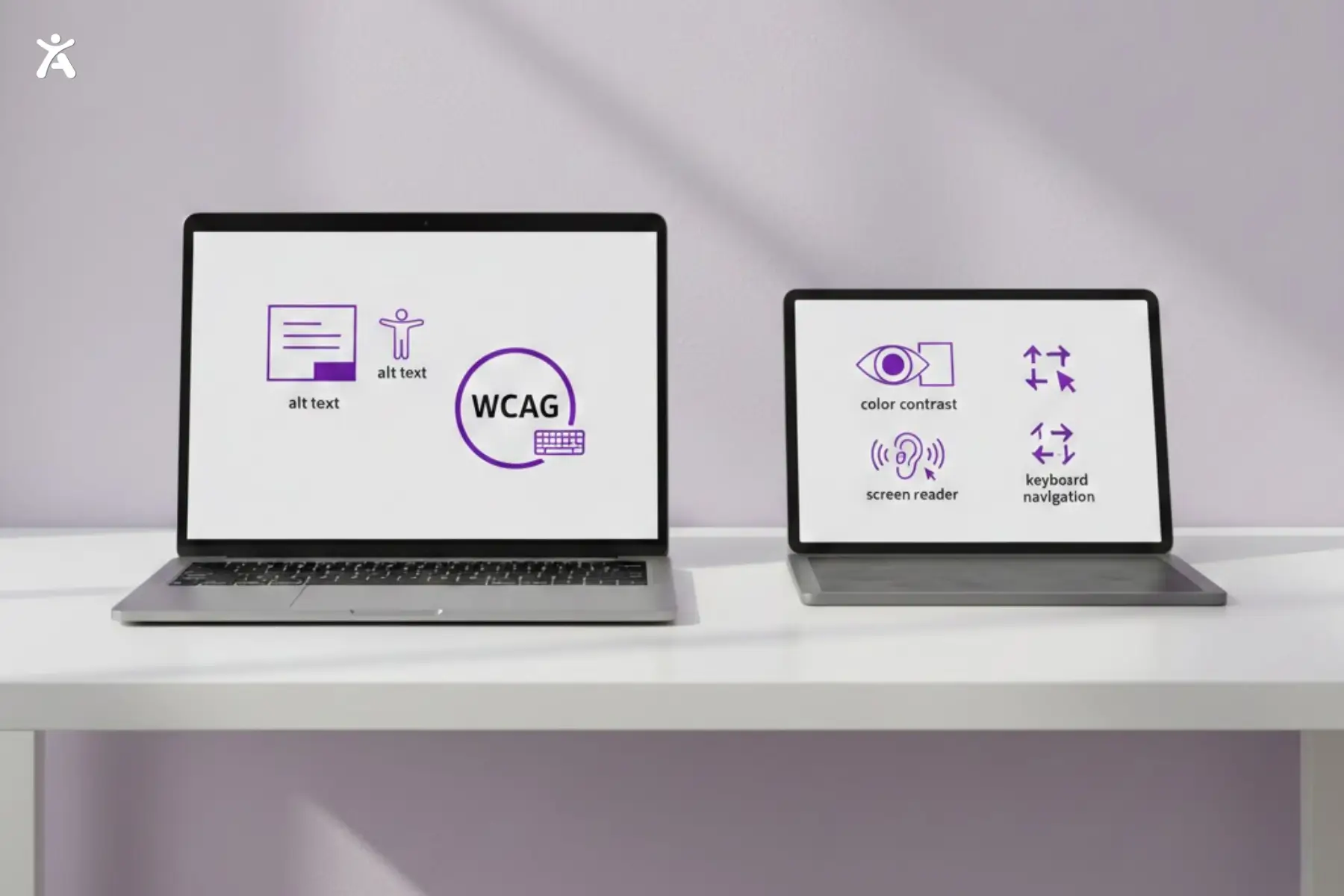
Accessible and Inclusive Design: Technology must be accessible and inclusive for all individuals, including those with disabilities. Accessible technology for all abilities encompasses websites that are compatible with screen readers, apps with adjustable text sizes, and interfaces that support multiple interaction methods.
Understanding Digital Exclusion (and Why It Affects Everyone)
Digital exclusion happens when one or more pillars are missing. A person may have internet access but lack the necessary skills, or have the skills but cannot afford the devices or services.
The consequences extend beyond individuals:
- Workers without digital skills limit businesses’ competitiveness.
- Students without access to online learning often fall behind in their education.
- Patients unable to use telemedicine or portals face reduced healthcare efficiency and fairness.
Digital inequity creates a feedback loop. Limited access to education and employment opportunities reduces the ability to afford technology or training, which in turn restricts access to these opportunities. Addressing digital inclusion requires coordinated action across all pillars.
How Digital Inclusion Makes Your Life Easier (Even if You Don’t Realize It)
Digital inclusion has a profound impact on everyday life, a reality that many of us often overlook. Its benefits become most apparent when access breaks down.
Seamless Access to Essential Services
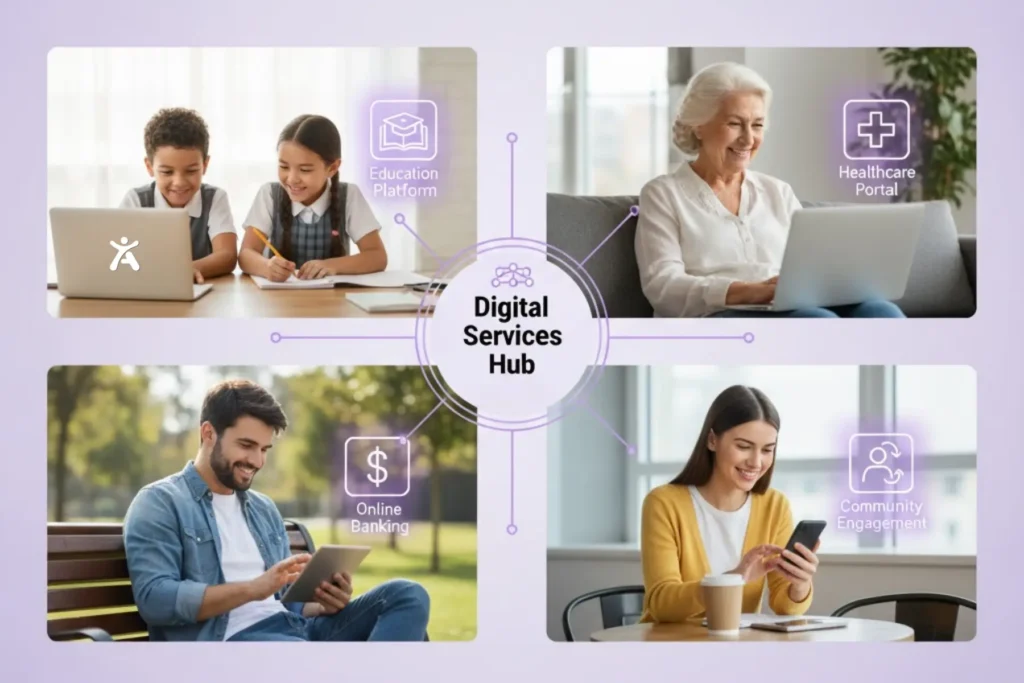
Government services, healthcare, banking, and education increasingly rely on digital channels. You can renew vehicle registrations, file taxes, access benefits, schedule appointments, view test results, manage prescriptions, handle finances, and complete coursework online.
When digital inclusion is effective, these transitions enhance efficiency and convenience, making services available 24/7, reducing wait times, and minimizing the impact of geographic distance. When digital inclusion fails, people are cut off from essential services, creating significant barriers to accessing these services.
Enhanced Connection and Community
Digital technology enables people to stay connected across distances. It allows participation in communities with shared interests, civic life, and support networks. Social media, video calls, and online forums connect people beyond physical limits, helping those with limited mobility, chronic illnesses, or caregiving duties combat isolation. Online spaces also let marginalized communities connect with others who share their experiences and provide opportunities for collective action.
Empowering Personal Growth and Learning
The internet provides a wealth of educational resources, including free courses, tutorial videos, and digital libraries. Online learning has made education more accessible and convenient, enabling people to acquire new skills, earn certifications, and explore their interests regardless of location or schedule.
During the COVID-19 pandemic, digital learning became essential for students at all levels, and those without reliable internet or devices faced significant setbacks that will take years to recover from. This experience underscored the crucial role of digital inclusion in promoting educational equity and opportunity.
Inclusive Design in Everyday Tech
When technology incorporates inclusive design from the start, everyone benefits. Curb cuts designed for wheelchair users also help parents with strollers, delivery workers with carts, and travelers with rolling luggage. Similarly, digital accessibility features such as voice commands, adjustable text sizes, and simplified navigation enhance usability for all users.
Platforms like Accessify can support these efforts by identifying and addressing accessibility gaps, helping businesses implement inclusive design more effectively. This approach enables companies to reach broader audiences, avoid retroactive fixes, and create technology that works smoothly for diverse users in varied situations.
The Real-World Impact of the Digital Divide
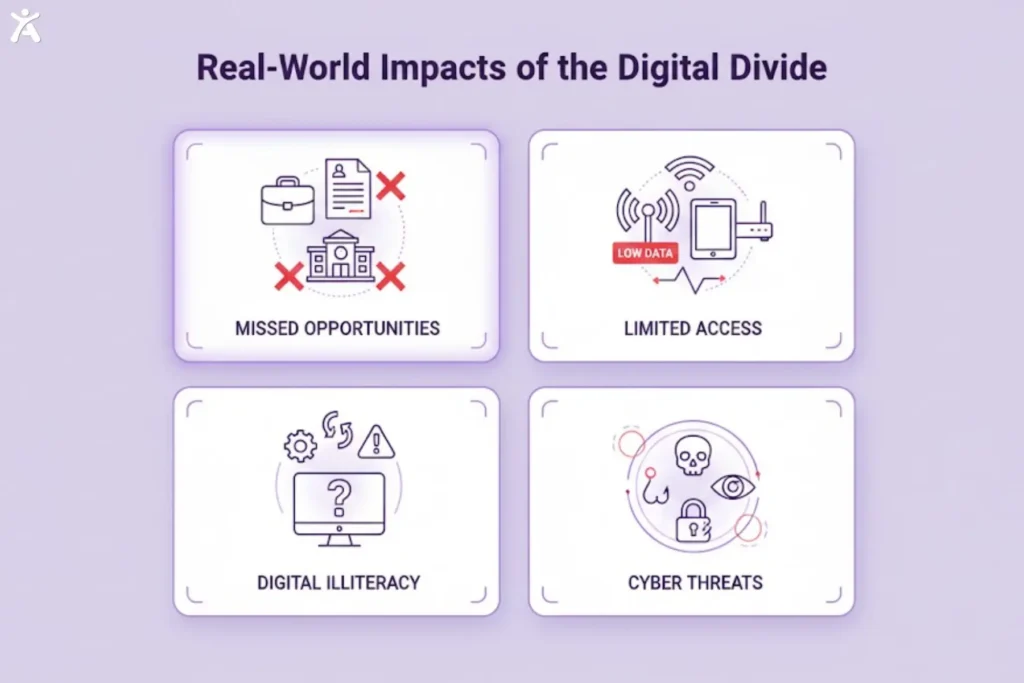
The gaps in digital inclusion have tangible consequences for individuals and society. These consequences include missed opportunities, heightened vulnerability, and growing inequality.
Missing out on Critical Information and Services
When job applications move entirely online, people without internet access are immediately excluded from employment opportunities. Families lacking reliable connectivity can miss important school updates sent via email or apps, and essential health information or crisis alerts may never reach those who need them most. By assuming everyone can receive emails, complete online forms, or use apps, organizations unintentionally leave behind the very people who depend on these services the most.
The Burden of Limited Access and Affordability
Broadband subscription rates vary widely by income and location. Low-income households often rely on limited mobile data plans, which makes it challenging to complete tasks that require steady internet access. Rural areas frequently lack the digital infrastructure for high-speed internet. Residents in these areas often have to travel to access reliable connectivity.
Device costs add another barrier. While smartphones are relatively affordable, many educational and work platforms require computers with larger screens and full keyboards. Families with only one device must make difficult choices about whose needs take priority.
Navigating a World Without Essential Digital Skills
Digital literacy is essential for employment, education, and daily life. Workers need basic technology skills, students must manage online assignments, and citizens interact with government services digitally. Without these skills, people face frustration and exclusion. They may avoid technology, further limiting opportunities and increasing their vulnerability to scams, security threats, and other online risks.
Increased vulnerability to digital risks
Limited digital access and literacy increase vulnerability to a range of online risks. People unfamiliar with privacy settings may inadvertently share personal information, fall victim to phishing scams or fraud, and be susceptible to identity theft or other privacy breaches. The digital divide also affects mental health. Cyberbullying, constant social comparison, and information overload create psychological challenges, and those most at risk often lack the access and resources needed to navigate digital spaces safely and healthily.
The Role of Emerging Technology in an Inclusive Digital Future
As technology evolves, ensuring digital inclusion becomes even more critical. New technologies, such as AI and smart cities, offer significant benefits. However, they can also exacerbate digital divides if we fail to prioritize inclusion.
Artificial Intelligence and Inclusive Design
AI powers voice assistants, content recommendations, and automated decision-making. However, systems trained on limited or biased data can amplify existing inequalities. In healthcare, AI algorithms that rely on data from specific demographic groups may perform less accurately for others. Large language models and chatbots should accommodate diverse communication styles and user needs.
Data annotators play a critical role in creating inclusive AI. Diverse teams contribute varied perspectives, helping AI systems serve broader audiences effectively. Initiatives such as employing Kenyan farmers to annotate agricultural data demonstrate how inclusive AI development can both enhance technology and create economic opportunities.
Building Inclusive and Equitable Smart Cities
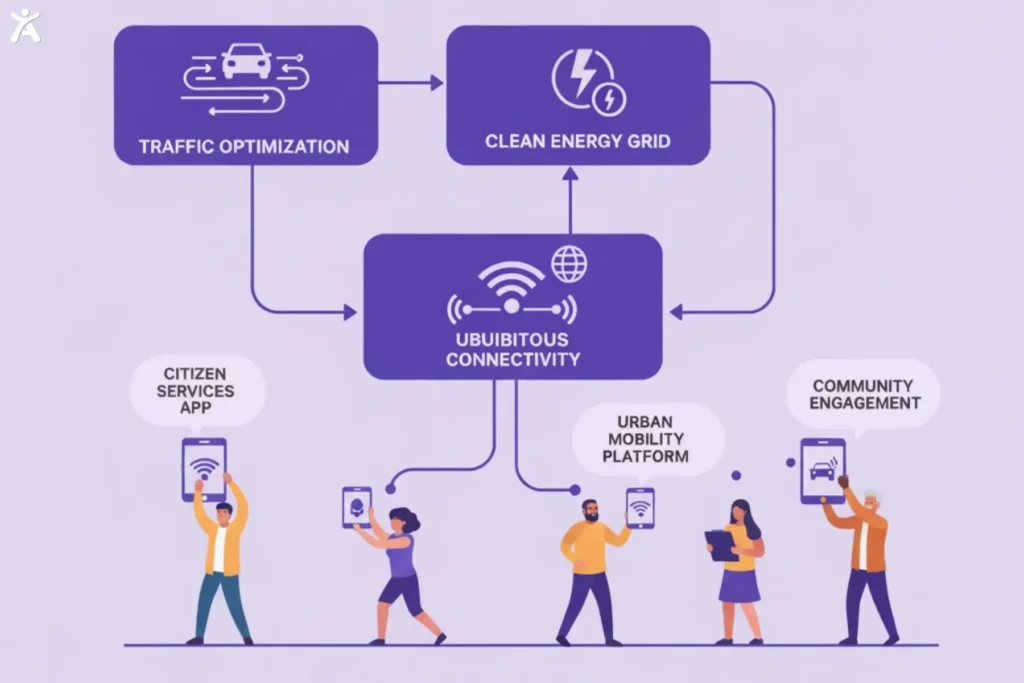
Smart cities utilize digital tools to enhance services, including traffic management, waste collection, and public safety. Projects like Sidewalk Labs envision neighborhoods optimized through the use of sensors and connectivity. These innovations raise questions of digital equity: Who benefits from smart city technology? Do all residents have access to the digital tools needed to participate fully? How can development avoid worsening existing disparities?
Truly inclusive smart cities embed equity from the start. They ensure affordable internet for all residents, design services for varying levels of digital literacy and ability, and incorporate input from diverse neighborhoods and demographic groups.
Real-World Efforts for a More Inclusive Digital World
Addressing digital exclusion requires coordinated efforts from governments, industry, and community organizations. Many initiatives aim to expand access, build digital skills, and foster inclusion.
Government initiatives and funding
Federal programs play a critical role in promoting digital equity:
- Digital Equity Act: Part of the Infrastructure Investment and Jobs Act, this act provides federal funds to states for planning and implementing digital inclusion programs. Administered by the National Telecommunications and Information Administration, it aims to expand broadband access and improve digital literacy.
- The Affordable Connectivity Program has helped millions of households gain internet access, although it has faced funding challenges.
- Universal Service Fund: Supports telecommunications access in rural and underserved areas.
- Federal Communications Commission (FCC) Initiatives: Works to improve broadband infrastructure and establish standards for reliable connectivity.
State and Local Programs
State and local governments complement federal efforts with their own initiatives aimed at addressing the Digital Divide. Recognizing that federal programs alone cannot close all gaps, these programs address specific community needs by providing devices, establishing public computer labs, and expanding local internet access.
Community-Led Programs and Digital Navigators
Grassroots organizations often lead effective inclusion efforts by understanding local needs and building trust:
- Digital Navigators: Trained community members provide one-on-one tech support, helping residents develop digital skills in culturally relevant ways.
- National Fund for Workforce Solutions: Combines digital literacy with workforce training to help individuals acquire skills for modern jobs.
- Libraries: Serve as key access points by offering free internet, public computers, device lending, and digital literacy programs.
Industry’s Role in Inclusive Design
Technology companies are responsible for creating accessible products and services:
- Inclusive Development: Some organizations integrate accessibility principles into product design from the start.
- Sponsored Schools Programs: Provide devices, connectivity support, and teacher training to close access gaps for students.
- Content Moderation: Platforms strike a balance between free expression and protection from harassment, relying on diverse teams to understand cultural differences and various forms of harm.
Through collaboration across government, communities, and industry, these efforts collectively advance digital inclusion and reduce barriers to equitable access.
How Can You Help Foster Digital Inclusion?
Digital inclusion is not only the responsibility of governments and organizations; individuals can actively promote fair access and digital skills in their communities.
Advocating for Change
Advocate for digital inclusion by contacting your representatives about broadband expansion, affordable internet access, digital literacy funding, and the need for accessible digital services. Share real experiences of digital barriers to illustrate why these changes are important.
Participate in community planning through public meetings and surveys, ensuring diverse voices are included in digital equity efforts. Hold organizations accountable for delivering accessible, user-friendly digital services.
Supporting Local Initiatives
Support local digital inclusion efforts by volunteering with organizations that offer digital literacy training or provide access to devices. Many programs require patient tutors who can assist individuals in using email, completing online job applications, and navigating government services. You can also donate working devices to nonprofits that refurbish and distribute them to those in need. These organizations typically wipe data securely and make sure the devices reach individuals who can benefit.
Practicing and Promoting Digital Literacy
Stay informed about digital risks and best practices for online safety, and share what you learn with family, neighbors, and community members who may be less familiar with technology. Help others recognize scams, protect their privacy, and use digital tools confidently. Be patient, remembering that what feels obvious to you may be new to someone else. Create supportive environments where people feel comfortable asking questions and learning from mistakes.
Choosing Inclusive Products and Services
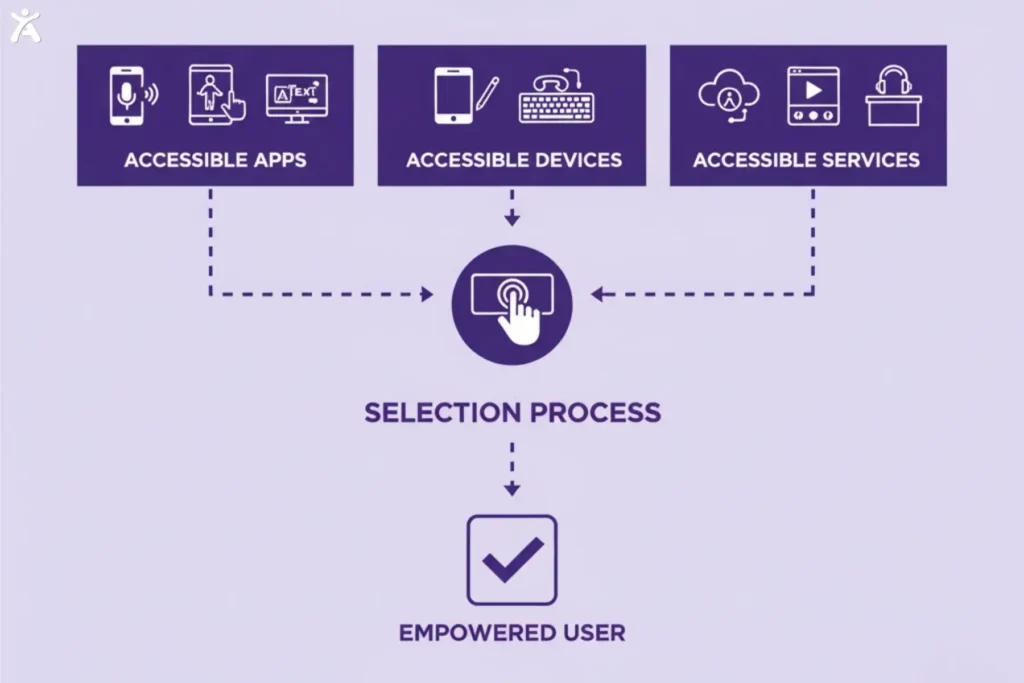
Support companies that prioritize accessibility and inclusive design, and look for products with features like adjustable text sizes, screen reader compatibility, and keyboard navigation. If you encounter digital barriers, inform the company and explain the challenges you or others face. When purchasing tools for yourself or your organization, consider accessibility as a key factor and ask vendors about their inclusive design practices. User demand encourages companies to prioritize accessibility in their development processes.
Conclusion
Digital inclusion starts with expanding access, strengthening digital skills, and designing technology that works for everyone. It creates equal opportunities across society. This work is ongoing and requires collaboration among governments, industries, communities, and individuals to enable people to fully participate in education, civic life, and the digital economy.
Begin your next initiative with inclusion at the center. When more people are connected and empowered, innovation accelerates, markets grow, learning improves, and accessible digital channels strengthen public engagement. That’s how technology reaches its full social and economic potential.
FAQs
Digital equality ensures everyone can access tools, services, and opportunities. It bridges the digital divide, empowers underserved communities, and fosters a more connected, equitable world for all users.
Students gain equal access to online learning through inclusive platforms. Accessify supports monitoring and scanning to efficiently detect barriers, ensuring that educational resources are usable for all learners.
Examples include affordable internet programs, digital literacy training, and accessible technologies for underserved communities. These initiatives expand opportunity, participation, and economic empowerment for all users.
Technology provides access to banking and online payment tools, enabling underserved populations to manage finances effectively. Digital solutions enhance independence, participation, and economic growth for communities worldwide.
Businesses can provide accessible technologies, digital literacy training, and flexible arrangements. Tools like WAVE, Axe, and Accessify support accessibility checks to ensure inclusive workflows are efficient for all employees.