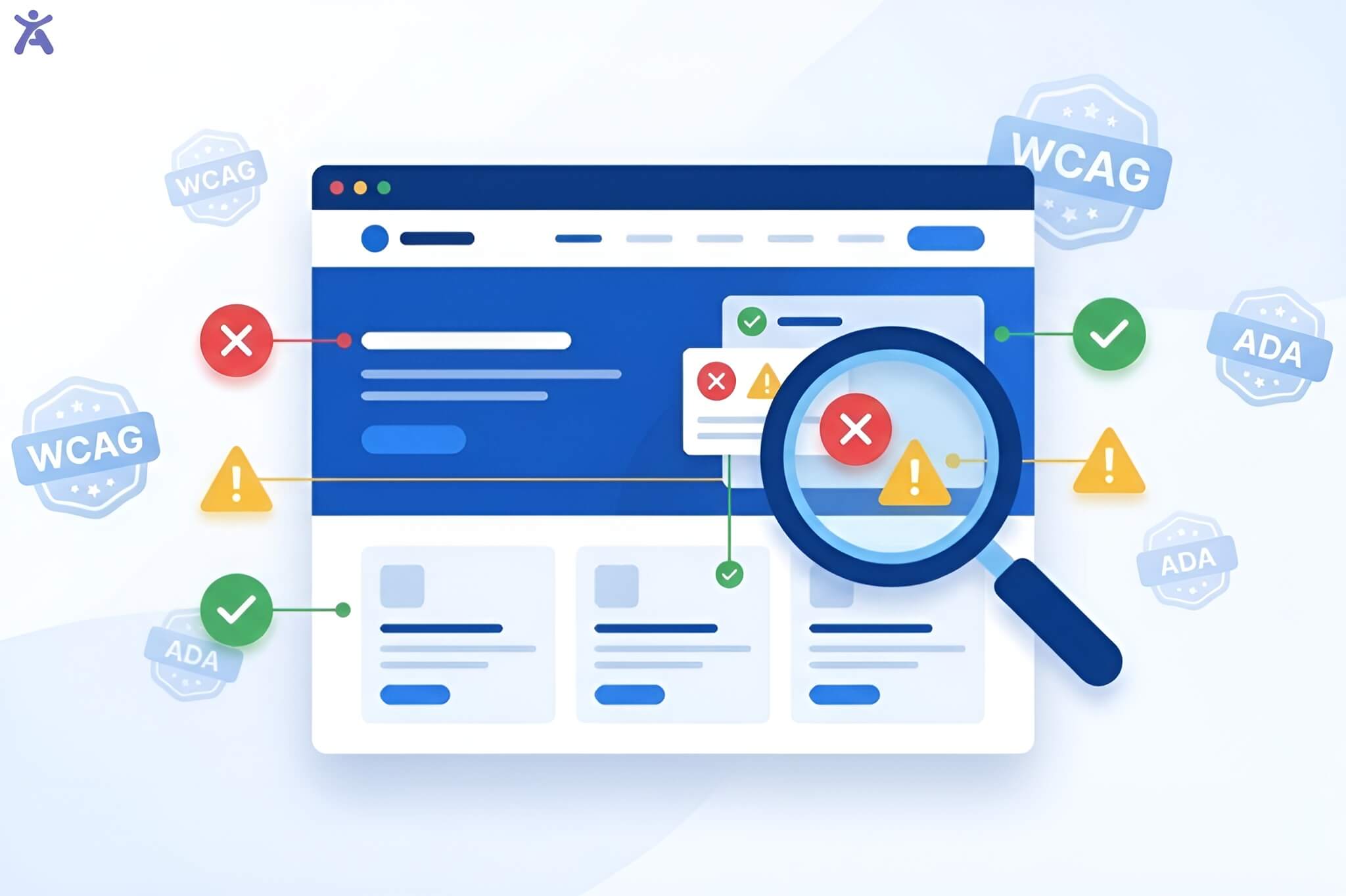
What are the best options available to streamline your workflow today? Web accessibility checker tools help agencies. They ensure that client websites comply with legal standards. This includes the ADA and Section 508. These platforms spot barriers. These barriers stop people with disabilities from using your digital products. Without the right toolkit, agencies risk legal non-compliance and alienating a massive segment of the user base.
For modern web agencies, picking the right tool goes beyond avoiding lawsuits. It’s key to providing inclusive, high-quality digital experiences. Your tool choices affect your agency’s efficiency and your client’s profits. This is true whether you’re auditing a site for a new client in California or managing one for a retailer in London.
Quick Summary
When selecting accessibility tools for your web agency, you can choose from a variety of solutions tailored to different needs. Some tools automate scanning and reporting. They help you spot common compliance issues fast. Others offer manual testing support for more complex accessibility challenges. Integration with current workflows is key. Tools that integrate with your project management or development platform can really help. They boost productivity. It’s crucial to assess the features, pricing, and scalability of these tools. This helps ensure they fit your agency’s goals and meet your clients’ diverse needs.
Empowering Your Agency with Insights
The Evolving Digital Landscape
The digital world is shifting rapidly. Agencies aren’t just “building websites” anymore. They’re creating complete digital experiences. These experiences need to work well on all devices, in different regions, and for users with various abilities. With the rise of AI search and stricter regulations in areas like the EU and the USA, the bar for website quality has never been higher. Agencies that ignore these shifts risk irrelevance.
Why Strategic Tool Selection Matters
Selecting the right web accessibility checker tools and SEO platforms is critical. An agency’s tech stack determines its speed, accuracy, and profitability. Using disjointed or outdated software leads to inefficient workflows and missed opportunities. On the other hand, choosing the right tools helps with scalable audits, clear reporting, and gaining an edge in a crowded market.
An Agency Centric Approach
This guide is designed specifically for agency owners and technical leads. We aren’t just listing software; we evaluate tools based on how well they fit an agency model, look at factors like white-label reporting and multi-client management also check how they work with tools like Jira or Asana.
Why Strategic Checkers Are Non-Negotiable
Enhancing Client Value and Trust
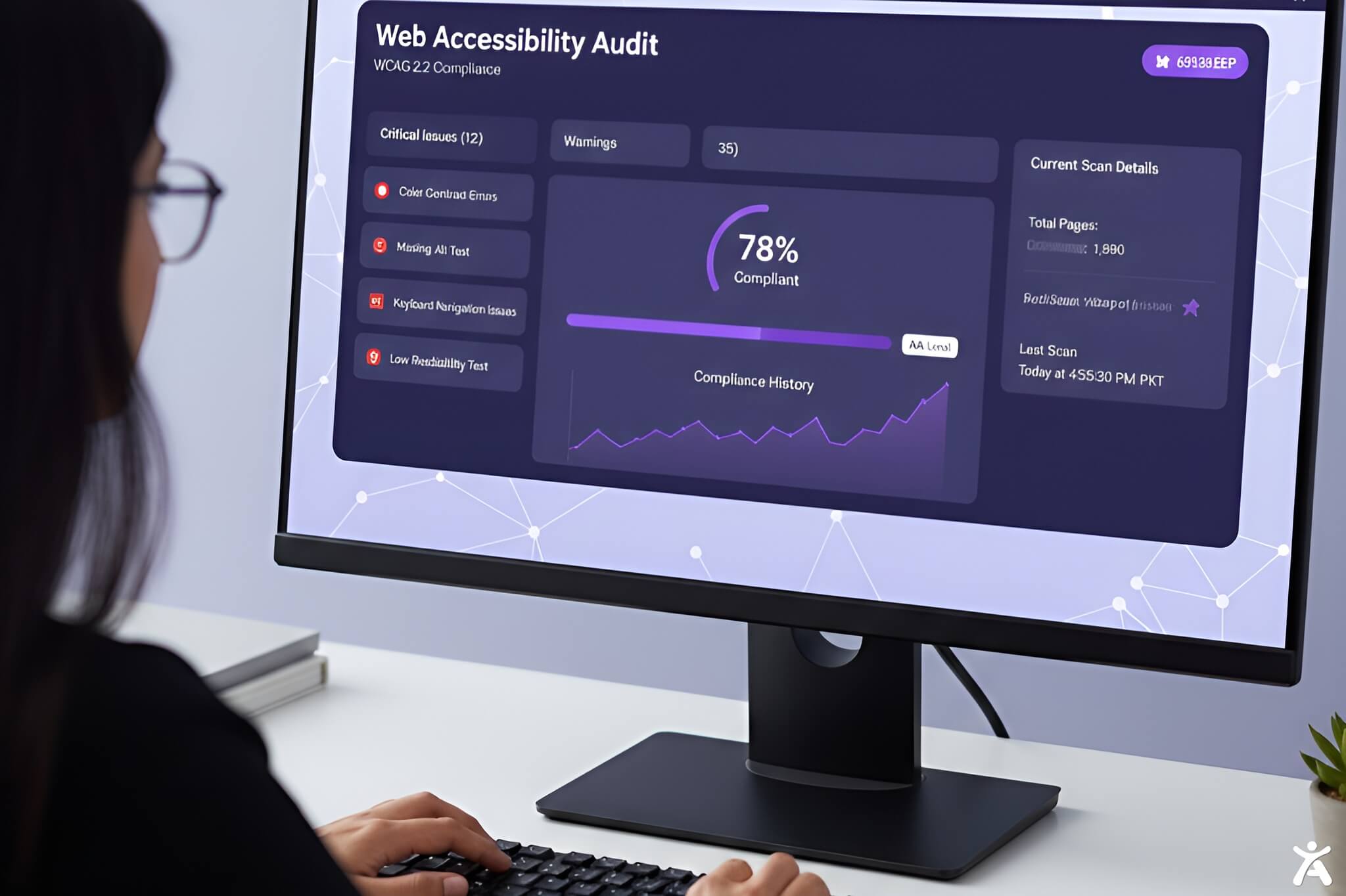
Data-driven insights are the currency of trust. When you can present a client with a concrete report detailing accessibility issues or SEO gaps, you move from “guessing” to “knowing.” This transparency builds long-term relationships. For instance, sharing a “before and after” score from a web accessibility checker shows clear value. This helps justify your retainer fees.
Boosting Efficiency with Automation
Time is money in the agency world. Automated audits and reporting features allow your team to assess a site’s health in minutes rather than days. Tools that automatically scan thousands of pages catch broken links, 404 errors, or missing alt text. This lets your developers focus on fixing issues instead of just finding them. This efficiency directly boosts agency profitability.
Staying Ahead of Algorithms
Search engine algorithms now prioritize user experience. This includes accessibility and Core Web Vitals. Google’s shift toward Helpful Content and AI Overviews means that technical perfection is the baseline. Agencies with advanced checker tools can predict changes. This helps them optimize client sites for future updates before competitors respond.
Essential Tool Categories for Agencies
SEO and Website Audit Platforms
These are the heavy lifters. Platforms like Ahrefs, Semrush, and SE Ranking offer a complete view of a client’s online presence. They cover keyword research, backlink tracking, and competitive analysis. For an agency, these tools are indispensable for building a robust SEO strategy that aligns with business goals.
Technical SEO and Site Health
Technical SEO checkers dive deep into a website’s infrastructure. Tools like Screaming Frog or Sitebulb analyze website architecture, crawlability, and indexability. They find hidden problems, such as duplicate content and poor internal links, that might hurt search rankings.
Content Optimization and Strategy
Creating content that ranks requires more than just good writing. Content optimization tools like Surfer SEO and Clearscope check the best search results. They give data-driven tips on keyword use, structure, and length. They bridge the gap between content production and search engine requirements.
Performance and Speed Optimizers
User behavior is heavily influenced by speed. Tools like Google PageSpeed Insights and GTmetrix are vital for diagnosing load time issues. They offer practical tips for improving images, scripts, and server response times. This helps your client’s site meet the Core Web Vitals standards, which are key for organic traffic.
Web Accessibility Checkers
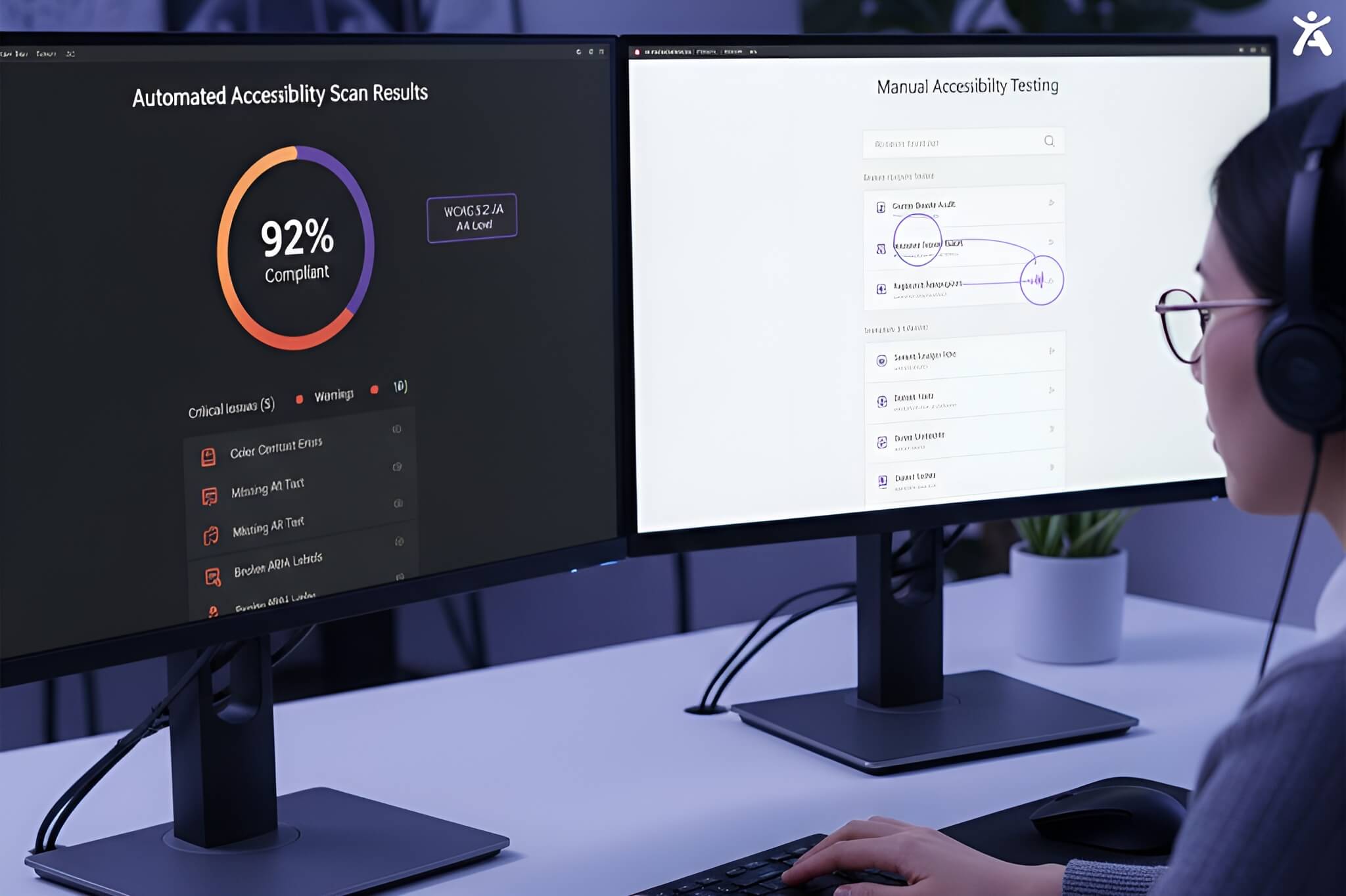
This category is non-negotiable for modern agencies. Tools like Accessify, Deque’s Axe, and Wave use automation to spot accessibility issues. They identify problems like poor color contrast and missing ARIA labels.
- Automated Scans: Quickly catch 30-40% of common errors
- Manual Testing Aids: Help guide human testers through complex user flows
- Compliance Reporting: Generate documentation for Section 508 of ADA requirements
Analytics and User Behavior
Understanding how users interact with a site is key to improving conversion rates. Google Analytics 4 (GA4) provides data on user behavior. In contrast, heat-mapping tools like Hotjar offer deeper insights into user engagement. Together, they paint a complete picture of traffic sources and user hurdles.
Backlink Analysis and Monitoring
For off-page SEO, agencies need robust backlink checkers. Monitoring a client’s link profile helps find toxic links to disavow. It also reveals new chances for outreach. Tools like Moz or Majestic are industry standards for maintaining domain authority.
Selecting the Right Tools Framework
Aligning Tools with Budget
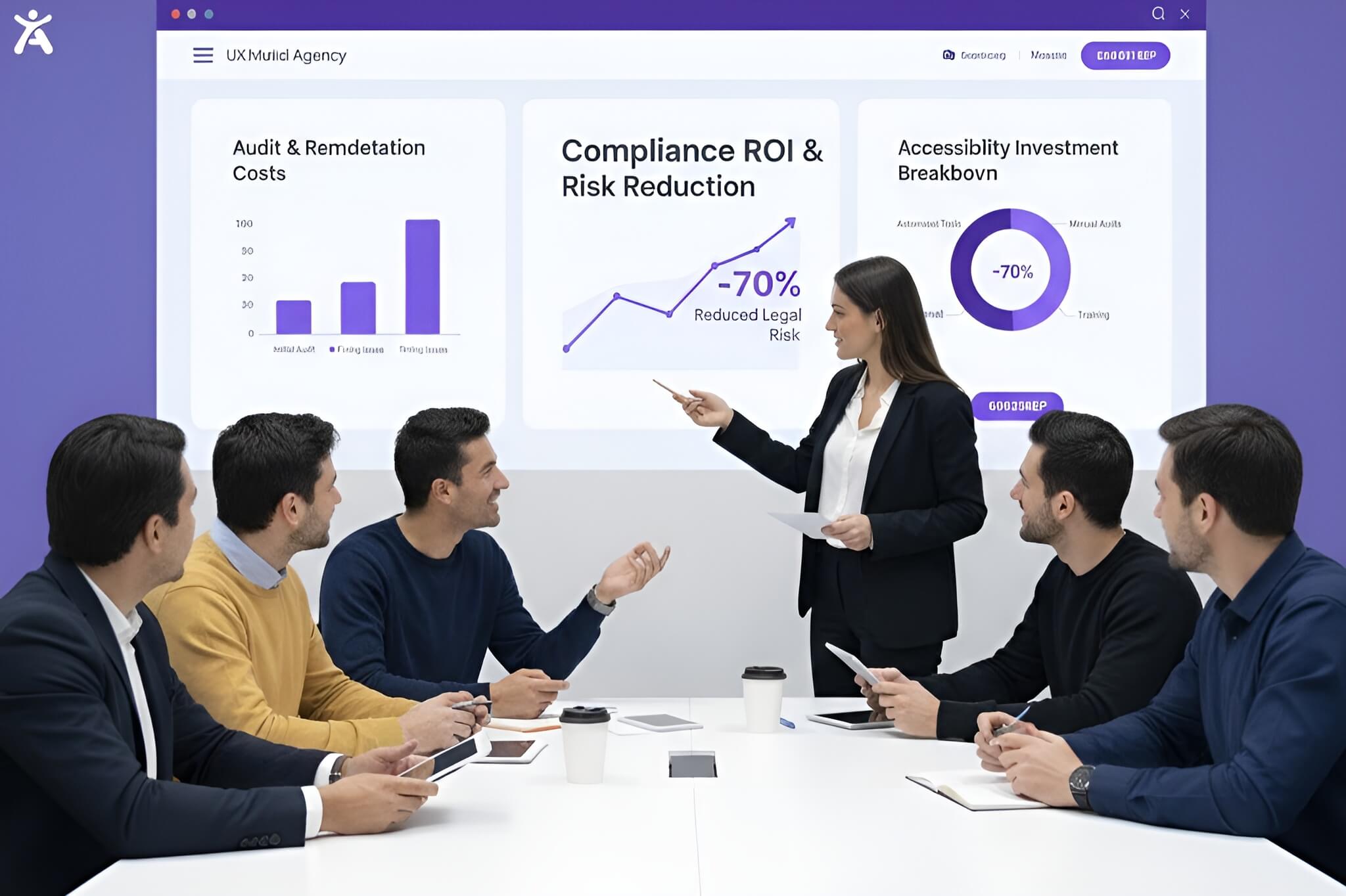
Agencies must balance feature sets with cost. While enterprise-level SEO software offers immense power, it may be overkill for a boutique agency. Understanding the ROI of each tool is crucial. Does this tool save enough billable hours to justify its monthly cost?
Matching Tools to Niche Needs
Not all clients are the same. An agency that focuses on local SEO for plumbers in Chicago needs different tools. This is not the same as what a team managing global e-commerce brands requires. Tools with features like local rank tracking or Google Business Profile management are key for the former. The latter needs strong schema markup and product feed analysis.
Integration with Agency Workflows
The best tools play nice with others. Find software that works with your project management tools, like Trello or Monday.com, and communication apps, such as Slack. Seamless integration means that when a web accessibility checker finds an error, it makes a task card. This card goes straight to a developer.
Reporting and Client Communication
Agencies live and die by their reports. The ability to generate white-label, easy-to-understand reports is a major selling point. Clients don’t want to drown in data; they want actionable summaries. Customizable reporting templates let you show value quickly. You won’t waste hours on manual formatting.
Scalability for Growing Teams
As your agency grows, your tools need to keep up. Scalability features include multi-user access, permission controls, and the ability to add unlimited projects. You don’t want to switch platforms every time you sign a new client, so choose software that can grow with you.
The AI Advantage for Agencies
AI-Powered Content Creation
AI assistants are reshaping content production. Tools using Generative AI can brainstorm content ideas, draft outlines, and even write full articles. Agencies should use these as “copilots” to meet E-E-A-T standards. This adds human expertise to AI-generated drafts.
Advanced Competitive Intelligence
AI excels at pattern recognition. Modern checker tools use AI to analyze vast amounts of competitor data, spotting keyword opportunities and content gaps that a human analyst might miss. This allows agencies to pivot their strategies in real time based on market movements.
Predictive Analytics and Insights
Imagine telling a client not just what happened, but what will happen. Predictive analytics uses historical data to forecast search volume trends and potential ranking drops. This proactive approach allows agencies to fix high-impact issues before they affect the client’s bottom line.
Preparing for SGE and AI Search
The future of search is generative. Agencies need tools that analyze AI visibility, how often a brand appears in AI Overviews, or voice search results. Grasping these new metrics is key to staying visible in the age of zero-click answers.
Maximizing ROI in Your Workflow

Streamlining Client Onboarding
First impressions matter. Use comprehensive audit tools to run a deep scan immediately upon signing a client. This sets a baseline and finds “quick wins “simple fixes that provide immediate value and boost the relationship’s momentum.
Enhancing Ongoing Campaigns
SEO and accessibility are not one-time tasks. Set up automated weekly crawls to continuously monitor site health. This alerts you to new problems, such as broken links or dropped rankings. You can fix these right away, keeping your campaign running smoothly.
Elevating Client Reporting
Don’t just send a PDF; send insights. Visualize data with your tools. Show how your work, like fixing technical errors, links to results, such as more organic traffic. Clear, data-backed storytelling justifies your agency’s existence.
Fostering Team Collaboration
Shared dashboards and integrated toolsets break down silos. When your content writer, SEO specialist, and developer share a central toolkit, they work better together. Collaboration improves. This helps projects move faster.
The Future Proof Agency
Continuous Learning and Adoption
The only constant is change. Agencies should create a culture of learning. They need to keep up with Google algorithm updates and new tool features. Allocate time for your team to test new software and attend webinars.
Prioritizing Digital Accessibility
Digital accessibility is moving from a “nice-to-have” to a “must-have.” Agencies that make accessibility a key service help clients avoid legal issues and boost their brand reputation. It is a differentiator that speaks to corporate social responsibility.
Embracing AI for Strategy
Don’t fear the robot; hire it. Using AI for a strategic edge helps agencies process data quickly and gain better insights. In the Search Generative Experience era, the agencies that leverage AI will dominate search results.
Pro Tips and Expert Advice
- Don’t rely 100% on automation. Automated accessibility checkers only catch about 30% of issues. Always pair scans with manual testing using screen readers
- Consolidate where possible. “All-in-one” platforms can save money. However, best-of-breed tools, like a dedicated crawler, often provide deeper insights for complex sites
- Test your tools regularly. SEO software evolves. Re-evaluate your stack annually to ensure you aren’t paying for legacy features you no longer use
Your Blueprint for Digital Excellence
Recap of Key Insights
We discussed the importance of data, the benefits of automation, and why choosing the right tools matters. From web accessibility checkers to AI-driven SEO platforms, your tech stack is the foundation of your agency’s success.
Continuously Evaluate and Integrate
The digital landscape won’t wait for you. Continuously evaluate your tools and integrate the best ones into your workflow. Don’t settle for “good enough” when “excellent” is available.
Sustaining Client Success
Ultimately, your goal is client success. Using the best checker tools helps you grow organic traffic. It also ensures strong compliance. This gives your clients a competitive edge. Equip your agency with the right insights, and the results will follow.
FAQs
Top choices include Accessify, accessiBe, Deque, and axe. These tools help identify WCAG violations and are crucial for agencies managing compliance. For comprehensive audits, tools like Siteimprove are also highly rated.
No. While AI SEO tools and SEO software provide data and efficiency, they lack the strategic context and creativity of a human SEO specialist. Tools should assist, not replace, expert analysis.
Pricing varies widely. Basic plugins can be free, while enterprise platforms like Semrush or Ahrefs can cost hundreds per month. Agencies should budget based on client volume and required features.
Regularly. An initial deep audit is standard for onboarding, but monthly automated crawls are recommended to catch new accessibility issues or technical SEO errors immediately.
ADA compliance ensures equal access for users with disabilities. Ignoring it can lead to lawsuits and alienate potential customers. It is also a significant factor in user experience and brand reputation.