
Web Accessibility Audit Cost for small and medium-sized enterprises (SMEs) entering 2026, the “wait and see” approach to digital compliance is no longer a viable strategy it is a ticking clock. The landscape shifted violently in 2025, a year that saw a 37% surge in Americans with Disabilities Act (ADA) website lawsuits in the first six months alone. This explosion in litigation highlights a predatory ecosystem where sophisticated plaintiff firms use AI-powered scanners to find code-level vulnerabilities in seconds.
Quick Summary
The primary hurdle for most SMEs isn’t a lack of desire to be inclusive, but the mystery of compliance pricing. Without a clear budget, many fall into the trap of “quick-fix” widgets that offer a false sense of security while actually increasing legal exposure. This guide provides a clear, evidence-based breakdown of what a web accessibility audit costs in 2026 and why a proactive defense is the only way to safeguard your balance sheet from unpredictable litigation.
The 2026 Web Accessibility Audit Cost Matrix
Professional audit and remediation costs are dictated by the depth of testing required to meet Web Content Accessibility Guidelines (WCAG) 2.1 or 2.2 AA standards. Below are the estimated ranges for 2026.
| Service Type | Price Range (2026 Est.) | Primary Value |
| Standard Professional Audit | $1,250 – $2,750 | Hybrid testing (Automated + Manual) to identify WCAG violations across unique templates. |
| In-House Remediation Support | $5,000 – $15,000 | Technical guidance for developers to fix issues in-house; best for clean, modern codebases. |
| Complex System Remediation | $25,000 – $50,000+ | Extensive overhaul for legacy systems or high-violation sites requiring deep architectural changes. |
Technical Pro-Tip: If your legacy system requires “Complex Remediation,” it is often more cost-effective to rebuild on a modern, accessibility-first platform than to retrofit broken code. Furthermore, the “Severity Factor” cannot be ignored; violations of Level A standards (the most basic requirements) are the primary drivers of high-dollar settlements and should be remediated first.
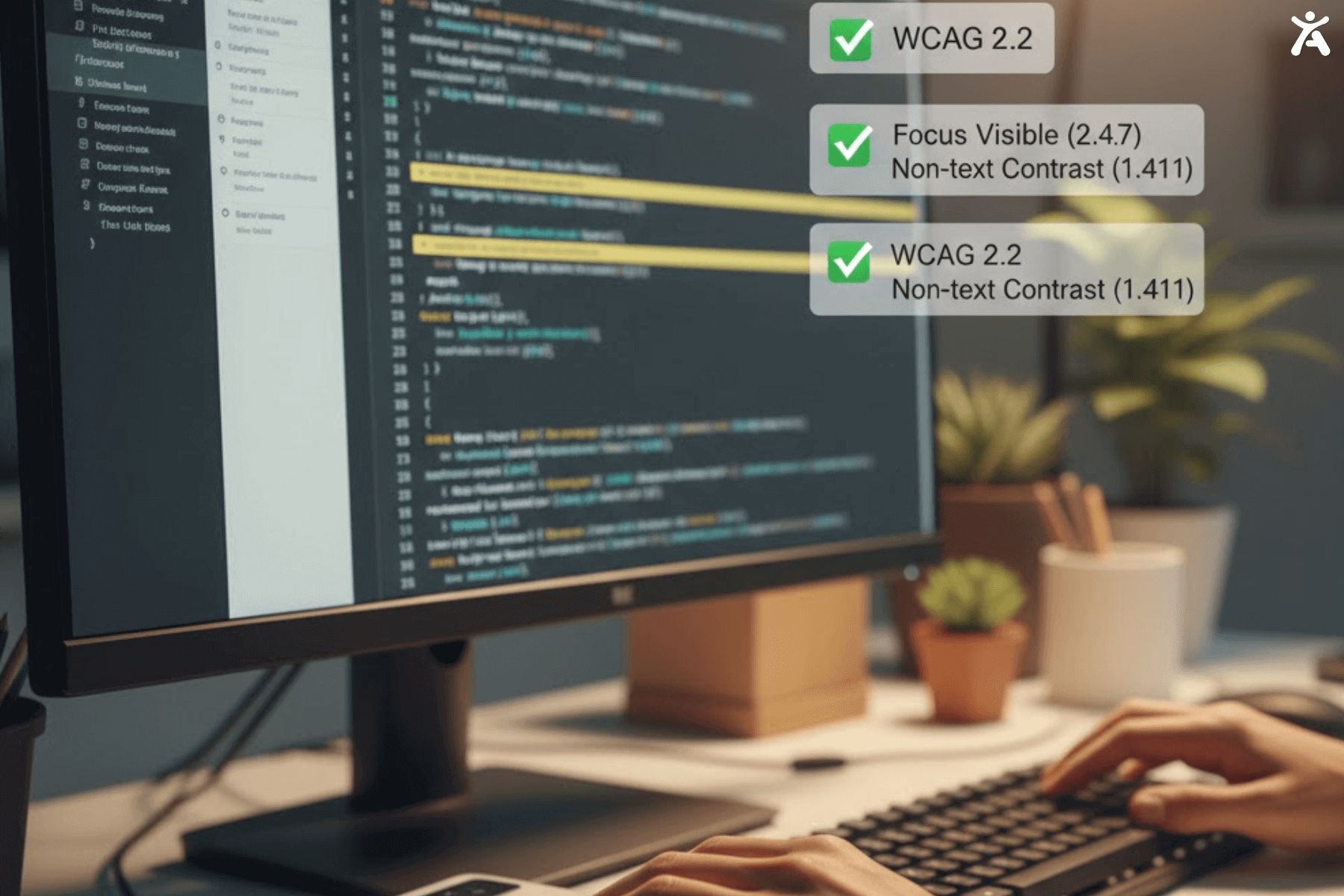
Analysis: The 30/70 Rule As established by the WebAIM Million study and confirmed by 2025 litigation data, automated scans only catch roughly 30% of accessibility issues. The remaining 70% keyboard traps, illogical focus orders, and complex interactive failures require human judgment. The price delta in professional audits reflects the labor-intensive nature of this expert manual review.
Web Accessibility Audit Cost, What Actually Moves the Needle?
Not every website carries the same level of risk. Your quote is influenced by specific technical and geographic factors:
- Unique Templates: Use the “$125 per template” rule of thumb. A site with 5,000 pages but only five unique layouts is significantly cheaper to audit than a smaller site where every page is custom-coded.
- Dynamic Functionality: High-risk elements like interactive maps, multi-step checkouts, and dynamic filters require more manual testing time and are frequent targets for litigation.
- Geographic Risk: Risk is no longer confined to the coasts. While NY and CA remain hotspots, Illinois saw a staggering 745% explosion in lawsuits in 2025. Prolific plaintiff firms have exported their models to the Midwest, making “geographic safety” a myth.
- Market Visibility: Success equals visibility. Data from UsableNet reveals that 20% of the top 500 e-commerce retailers were sued in 2025. If your brand is growing, you are on the radar.
“E-commerce and online retail accounted for a staggering 69% to 70% of all digital accessibility lawsuits filed in 2025. The vulnerability of e-commerce sites stems from their inherent complexity, particularly in critical user journeys like product selection and checkout.” 2025 Mid-Year ADA Lawsuit Report
Why Cheap Overlays Are a 2026 Liability
Many SMEs attempt to bypass remediation costs with a low-cost widget subscription (like accessiBe or UserWay). In 2026, this is a documented legal liability.
In 2025, 22.64% of all lawsuits were filed against sites already using accessibility widgets. These tools act as a “digital lighthouse” for plaintiff firms, signaling that a site has underlying code issues it is attempting to mask. The regulatory environment has also hardened: the FTC’s $1 million settlement with accessiBe regarding misleading “guaranteed compliance” claims serves as a final warning that automated overlays do not provide legal safe harbor. In 2026, widgets are not a solution; they are a target.
A Comparative ROI
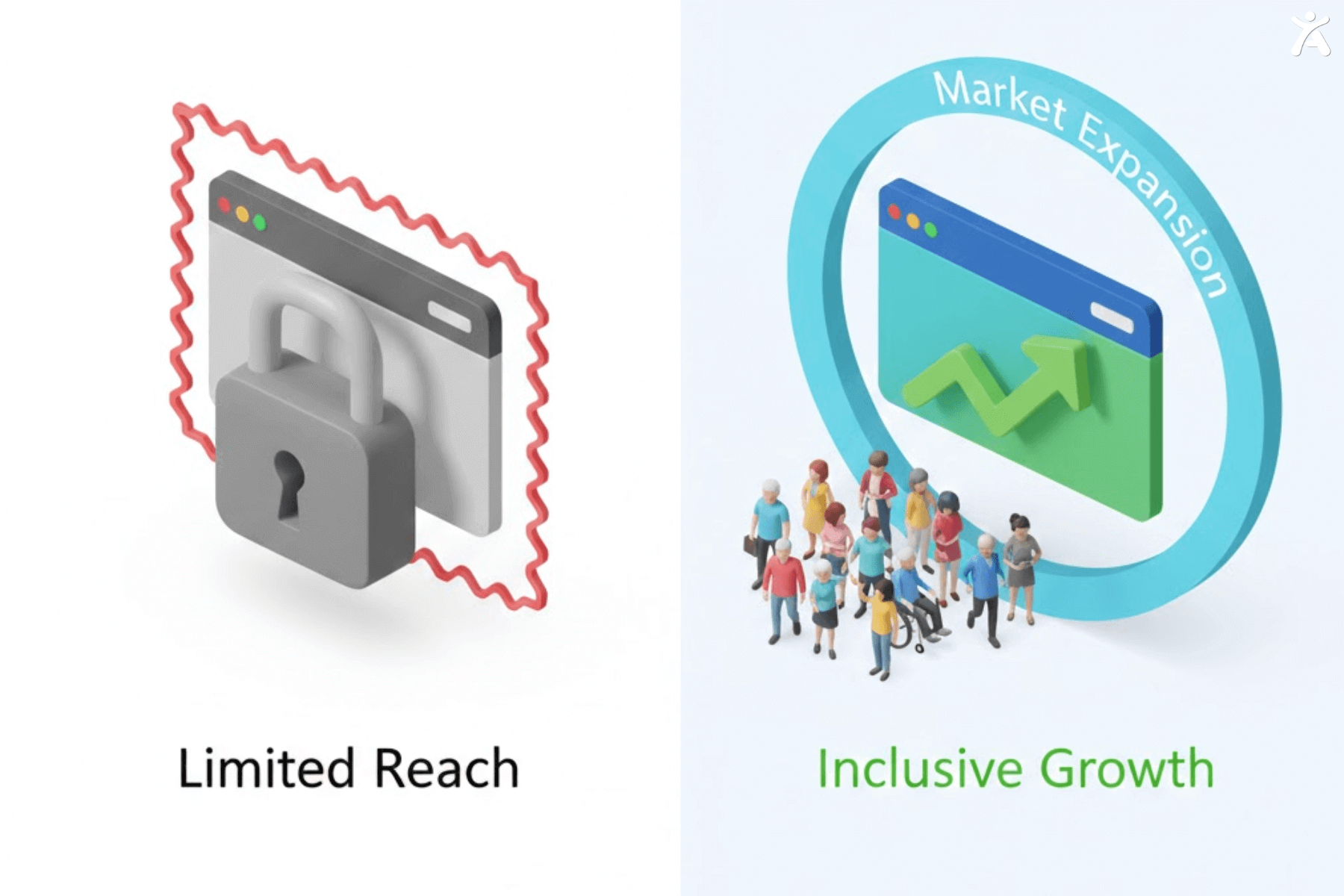
A proactive audit is an insurance policy against a predatory legal ecosystem where 31 plaintiffs drive over 50% of all cases.
- Proactive Audit: ~$2,500.
- Average Settlement: $5,000 – $50,000 (plus your own attorney fees).
- ADA Statutory Fines: $75,000 for the first violation; $150,000 for subsequent.
- The “Repeat Filer” Risk: Perhaps the most compelling stat is that 21% of 2025 lawsuits targeted companies that had already been sued for the same issue.
Settling once does not buy you immunity. Without an audit and genuine remediation, you are essentially paying a “litigation tax” while remaining exposed to the next serial plaintiff.
The 2026 Legal Clock Title II and the Procurement Gatekeepers
2026 brings new regulatory pressures that extend beyond Title III lawsuits. The April 2026 DOJ Title II deadline mandates that state and local government entities serving populations of 50,000 or more must conform to WCAG 2.1 AA (smaller entities have until April 2027).
For private B2B and SaaS companies, this creates “vicarious liability.” Government and educational procurement officers now require a verified VPAT (Voluntary Product Accessibility Template) or ACR (Accessibility Conformance Report) before signing contracts. If you cannot prove accessibility, you are effectively disqualified from these lucrative markets. Accessibility has moved from a “legal chore” to a “procurement gatekeeper.”
Turning Compliance into Resilience

While an audit has a price tag, inclusion adds millions to your potential market reach. There are 61 million Americans with disabilities who represent billions in spending power, and they are intensely loyal to brands that provide a frictionless experience. In a landscape where serial plaintiffs and AI-driven law firms are seeking their next target, is your current “wait-and-see” approach a strategy or a ticking clock?
Compliance is not just about avoiding risk; it’s about building a resilient, accessible brand that is open to everyone.
Take Action with Accessify
Secure your digital future with a partner that understands the 2026 legal reality. Accessify.app offers professional, human-led audits that stand up to the most aggressive legal scrutiny.
- Zero Page Speed Impact: Maintain your SEO and user experience while becoming compliant.
- 7-Day Free Trial: See exactly where your vulnerabilities lie before committing.
- 24/7 Expert Support: Real guidance for real-world remediation.
Protect your business and start your 7-day free trial at Accessify.app today
FAQs
In the current 2026 market, a professional web accessibility audit for a standard business website typically ranges from $1,500 to 175 per page, though complex e-commerce sites or SaaS platforms can see costs between $5,000 and $10,000+ due to interactive elements and dynamic content.
The U.S. Department of Justice has established a federal deadline of April 24, 2026, for many public entities to meet WCAG 2.1 Level AA standards. While this specifically targets state and local government agencies (Title II), private businesses (Title III) face systematic litigation risks in 2026, particularly in high-litigation states like New York, California, and Florida, where statutory damages can be significant.
For SMEs targeting compliance with the European Accessibility Act (EAA) or the UK’s Equality Act, audit costs follow a similar structure to the US but vary by local consultant rate. Average hourly rates for consultants in the UK are approximately 27 to $32.
Automated scanning tools only detect approximately 30% of accessibility violations. The remaining 70% of issues such as keyboard traps, illogical focus orders, and screen reader incompatibilities require manual testing by experts.
Accessify.app provides a high-efficiency alternative to traditional five-figure audits by offering plans starting as low as $6.99 per month. These services include live monitoring of severe violations, AI-optimized alt-text for SEO, and customizable widgets.