
ADA web accessibility lawsuits hit a record high in 2025, with over 5,000 federal filings a 37% year-over-year surge driven partly by AI-assisted pro se litigation that has reduced the cost of filing a complaint to near zero. Legal teams that previously managed one or two cases per year are now fielding demand letters quarterly. The question is no longer whether to have an accessibility defence strategy, but which service package gives your organisation the right coverage at the right cost.
This guide maps the four main service tiers, what each one includes, and how to match the right package to your legal exposure profile.
| 2026 Lawsuit Landscape Key Numbers
5,000+ federal ADA digital accessibility lawsuits filed in 2025 40% of federal Title III filings are now AI-generated pro se complaints (Seyfarth Shaw) $25,000 average out-of-court settlement cost $5,000–$100,000 typical legal defence cost even when no damages are owed |
The Four Lawsuit Defence Service Tiers
| Service Tier | Typical Cost | Fixes Included | VPAT | Best For |
| Demand Letter Response | $2,500–$10,000 | ❌ No | ❌ No | First-time single claim |
| Compliance Documentation | $3,500–$12,000 | ❌ No | ✅ Yes | Procurement + low repeat risk |
| Audit + Remediation | $10,000–$40,000 | ✅ Yes | ✅ Yes | Repeat targets + high exposure |
| Managed Programme | $25,000–$100,000+ | ✅ Yes | ✅ Yes | Enterprise + class action risk |
Tier Breakdowns
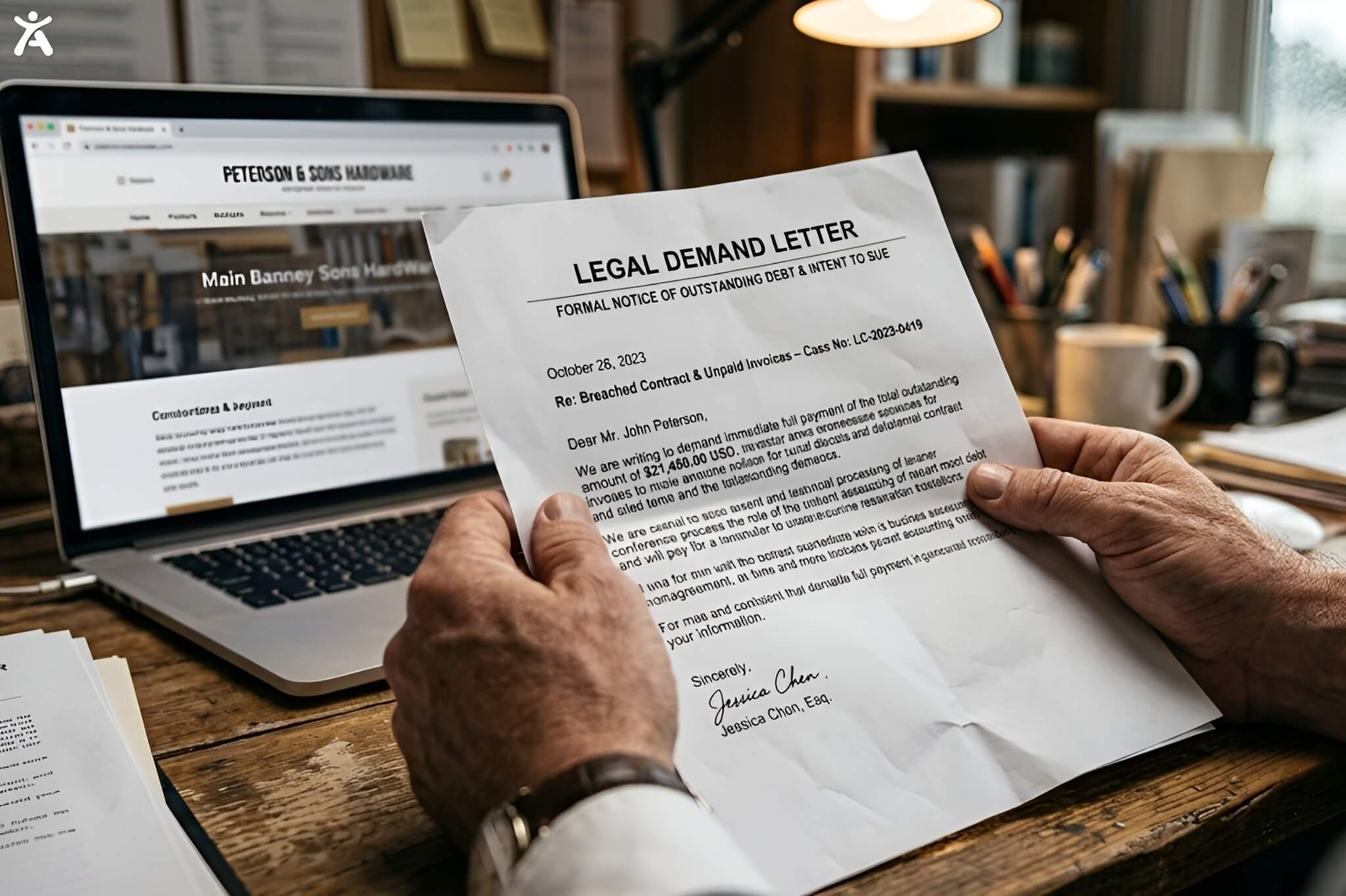
Tier 1 Demand Letter Response ($2,500–$10,000)
Specialist ADA counsel reviews the demand letter, assesses the technical claims against your site, and negotiates a response or settlement. Legal fees for straightforward demand letters typically fall between $2,500 and $5,000. Some firms offer flat-fee demand letter services for common claim patterns. This tier does not fix the underlying accessibility issues your site remains exposed to subsequent claims until remediation occurs.
Tier 2 Compliance Documentation Package ($3,500–$12,000)
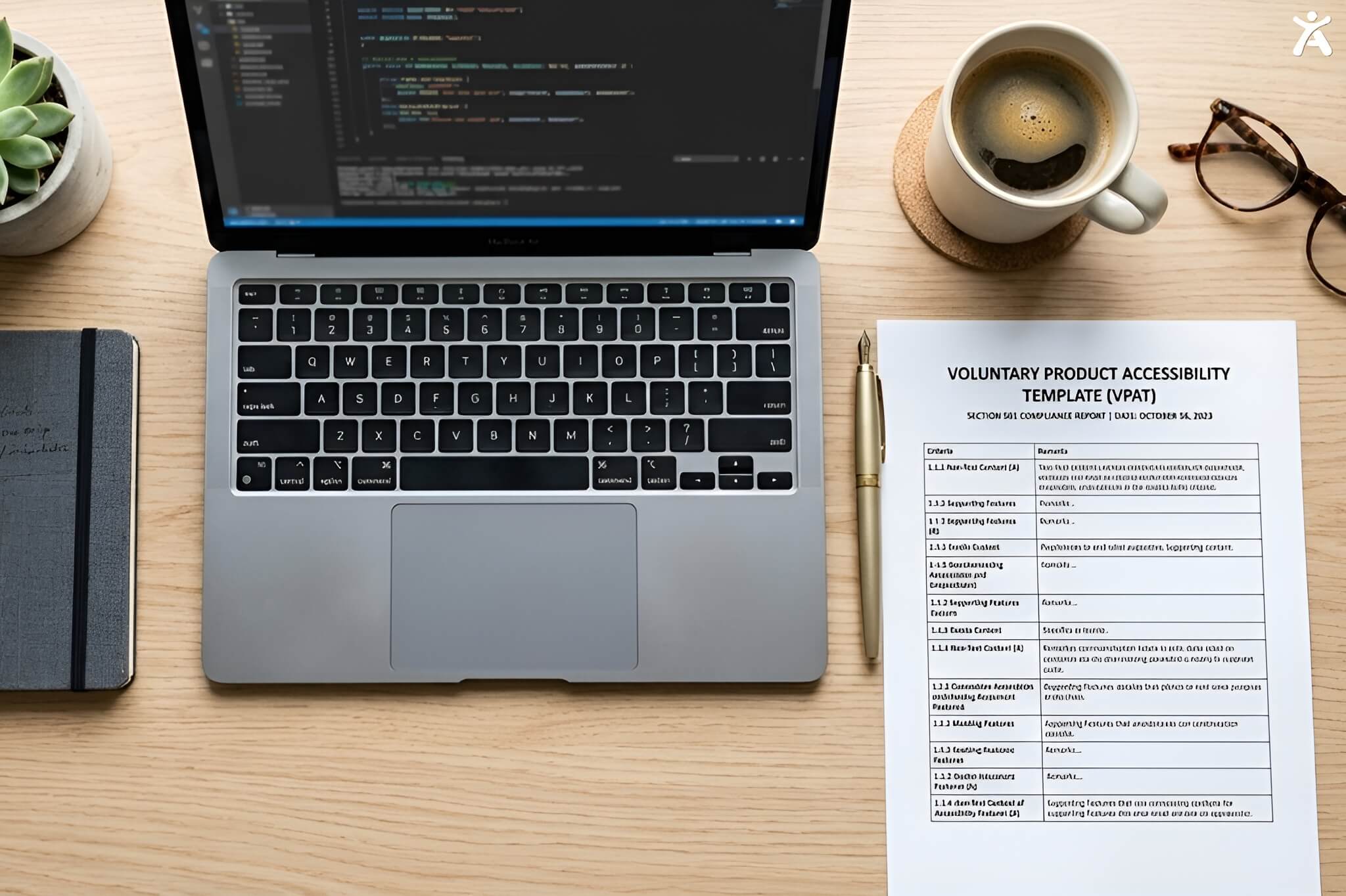
A WCAG 2.1 AA manual audit plus a VPAT (Voluntary Product Accessibility Template) or ACR (Accessibility Conformance Report). Delivers documented evidence of good-faith compliance effort the strongest single asset in defeating or settling accessibility claims quickly. Courts consistently respond more favourably to defendants who demonstrate structured remediation progress. Legal teams should pursue this tier within 30 days of any demand letter, even if litigation has not commenced.
Tier 3 Audit + Remediation + Legal Documentation ($10,000–$40,000)

Combines the manual audit, VPAT, remediation of identified issues, and a validated compliance sign-off from the audit provider. This is the tier that actually reduces your lawsuit risk rather than just documenting it. After remediation, the site meets WCAG 2.1 AA the technical standard courts reference in the majority of settlements. California Assembly Bill 2190, if passed, would create a formal affirmative defence for businesses demonstrating good-faith remediation making documented fixes legally material.
Tier 4 Managed Compliance Programme ($25,000–$100,000+/year)
Ongoing managed programme covering audit cycles, continuous remediation, monitoring, legal documentation, and attorney-level litigation support. The appropriate choice for retailers, financial services, and healthcare organisations with high-traffic sites that are serial litigation targets. New York, Florida, and California account for the majority of federal filings organisations headquartered or serving customers heavily in these states face disproportionate exposure.
| The Most Cost-Effective Legal Defence Stack
Tier 2 compliance documentation (annual, $3,500–$12,000) combined with Accessify Enterprise ($49/month) for real-time AI remediation and continuous WCAG 2.2 monitoring. This stack provides documented good-faith compliance, continuous site-level fixes, and an accessibility statement covering the three factors courts weigh most heavily in demand letter contexts for under $13,000 per year. |
What Courts Actually Look For
- Evidence of proactive compliance effort before the lawsuit was filed
- A documented remediation roadmap showing issues identified and being addressed
- An accessibility statement published on the site
- WCAG 2.1 AA conformance the de facto standard in settlements since the DOJ Title II rule
- No reliance on overlay widgets as a primary compliance strategy court and the FTC have ruled against this
| Pair Every Tool with AI Auto-Fix
Accessify provides real-time AI fixes, continuous monitoring, and an accessibility statement three of the five factors courts weigh in defence. From $19/mo with a free trial. |
FAQs
Even when no damages are owed, a typical legal defense for an accessibility claim can cost between $5,000 and $100,000. Furthermore, the average out-of-court settlement costs $25,000. For businesses receiving their first claim, a Tier 1 Demand Letter Response service typically ranges from $2,500 to $10,000.
There are four primary service tiers to choose from:
Tier 1: Demand Letter Response ($2,500–$10,000)
Tier 2: Compliance Documentation Package ($3,500–$12,000)
Tier 3: Audit + Remediation + Legal Documentation ($10,000–$40,000)
Tier 4: Managed Compliance Programme ($25,000–$100,000+/year)
Federal ADA digital accessibility lawsuits reached a record high of over 5,000 filings in 2025, representing a 37% year-over-year surge. This increase was driven in part by AI-assisted pro se litigation, which essentially reduces the cost of filing a complaint to zero.
When defending against claims, courts evaluate several key factors:
Evidence of proactive compliance efforts made prior to the lawsuit.
A documented remediation roadmap
An active accessibility statement published on the website.
Conformance to WCAG 2.1 AA
A lack of reliance on overlay widgets as the sole compliance strategy
The most cost-effective approach is combining a Tier 2 annual compliance documentation package ($3,500–$12,000) with Accessify Enterprise ($49/month) for continuous WCAG monitoring and AI remediation. For under $13,000 per year, this legal defense stack provides documented compliance, ongoing site fixes, and an accessibility statement.