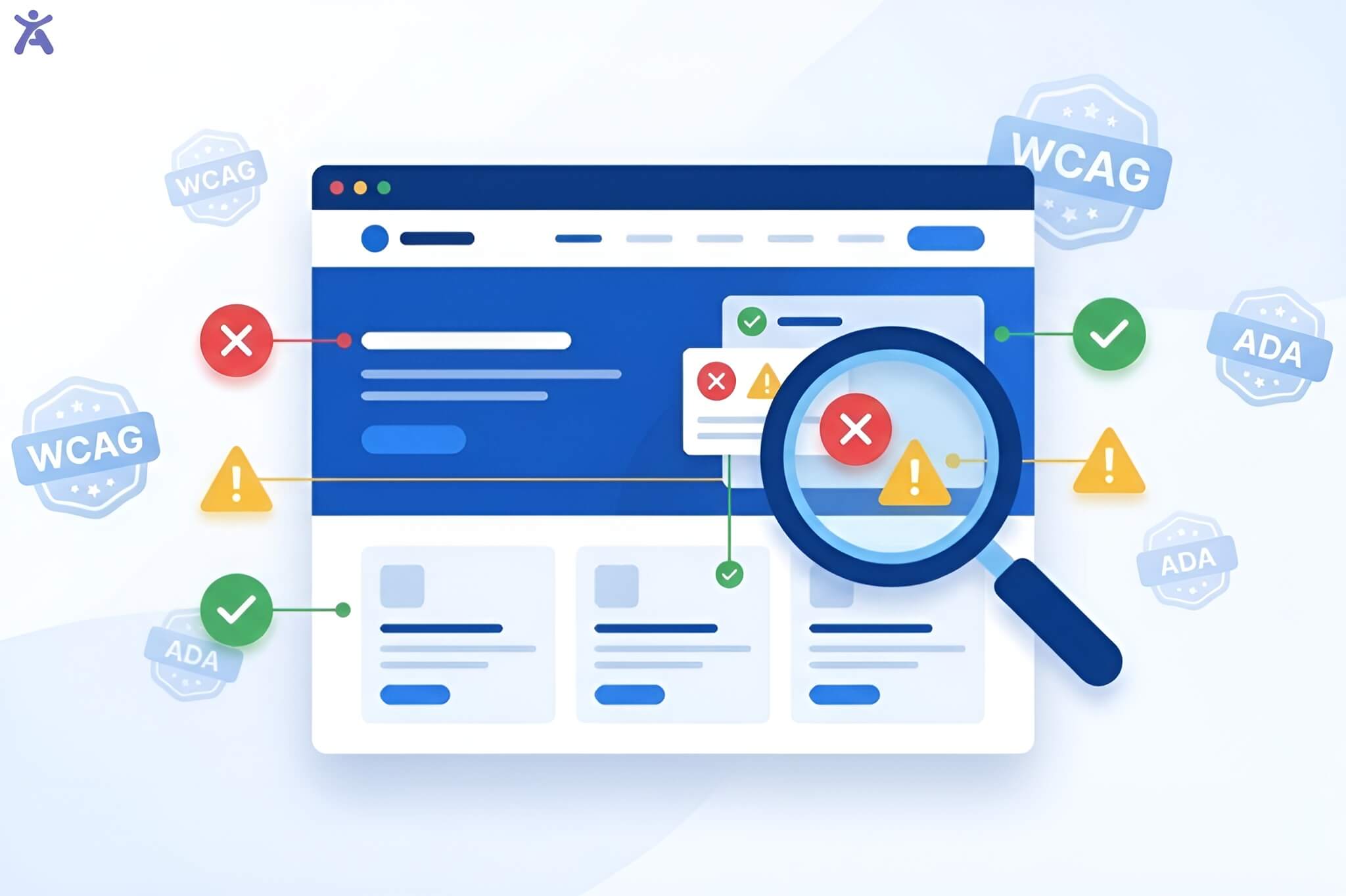

The digital legal landscape of 2026 has entered a period of unprecedented volatility to Web Accessibility Lawsuits. For legal teams and executive leadership, the transition from 2025 into 2026 represents a critical inflection point where “digital equity” has shifted from a secondary corporate social responsibility goal to a primary pillar of enterprise risk management.
If your organization still views web accessibility as a minor technical checklist, you are overlooking a systematic escalation in litigation that has reached a breaking point.
Quick Summary
The statistics from the previous fiscal year reveal a relentless surge in legal action. In 2025, over 5,100 digital accessibility lawsuits were filed, a 20% increase over 2024. This surge is driven by a sophisticated plaintiff bar using AI-powered identification tools to pinpoint code-level vulnerabilities in seconds, rendering traditional websites more vulnerable than ever before.
The 2026 Web Accessibility Lawsuits Storm
While federal filings under ADA Title III remain high, the real threat has migrated to state courts:
- The Illinois Explosion: Litigation in Illinois skyrocketed by more than 745% as New York-based firms exported their repeatable legal models to more favorable dockets.
- State Court Migration: In New York and California, plaintiffs are increasingly bypassing federal courts to leverage state laws like the Unruh Civil Rights Act, which allows for minimum statutory damages of $4,000 per violation.
- E-commerce in the Crosshairs: Online retailers remain the primary target, accounting for nearly 70% of all digital accessibility lawsuits.
Landmark Cases the Cost of Web Accessibility Lawsuits
The financial impact of a single accessibility failure in 2026 can be staggering. Recent precedents illustrate that “partial accessibility” is no longer a valid legal defense:
- Fashion Nova ($5.15 Million): In one of the highest recorded settlements for an online case, the company settled a major class-action suit in June 2025 after plaintiffs identified barriers in product selection and checkout navigation for screen-reader users.
- Reserve California ($2 Million): The web developer for California’s state parks reservation platform settled for $2 million after visually impaired users were unable to book campsites.
- Wisconsin Default Judgments (2026): Recent rulings in Cazares v. Acro Int’l Inc. affirmed that ADA coverage applies to online-only stores regardless of a physical “nexus,” provided they serve residents in that jurisdiction.
The “Widget Myth” Why Quick Fixes Invite Lawsuits
One of the most dangerous misconceptions for legal teams is that accessibility “widgets” or “overlays” provide a legal safe harbor. Data shows they often do the opposite.
In 2025, roughly 22% of all ADA lawsuits were filed against websites that already had a widget installed. These tools often interfere with assistive technology, creating “keyboard traps” that make the site less accessible. Furthermore, the FTC’s $1 million settlement with a major widget provider for misleading compliance claims has made these tools a red flag for plaintiff attorneys.
How to Mitigate Risk of Web Accessibility Lawsuits
To avoid becoming the next headline, legal teams must move beyond automated shortcuts and embrace code-level remediation.
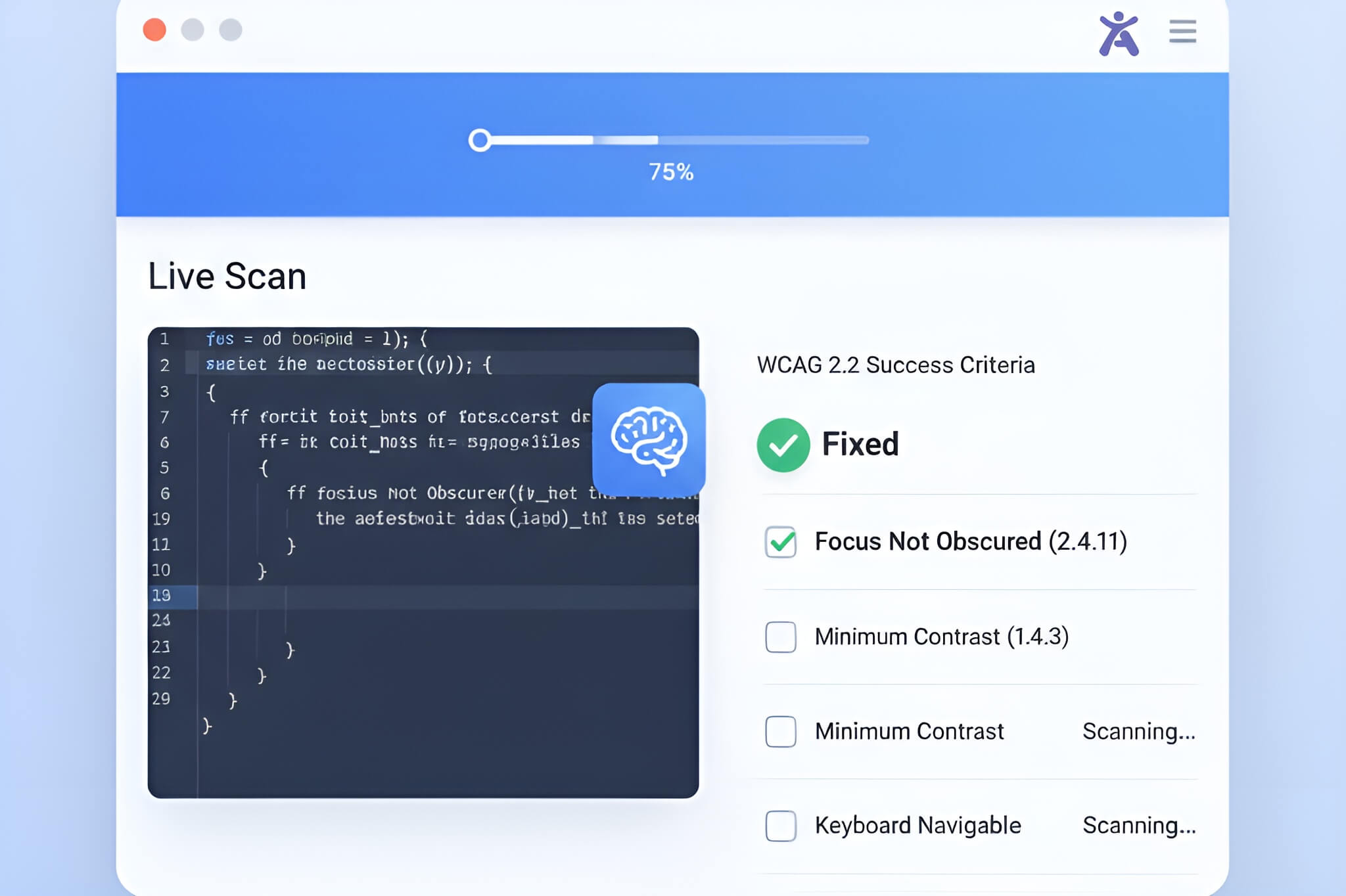
- Adopt WCAG 2.2 AA: This is the current operative standard. It introduces nine new criteria, including requirements for unobstructed focus indicators and accessible authentication (moving away from complex CAPTCHAs).
- The 30/70 Rule: Understand that automated tools only detect about 30% of accessibility issues. The remaining 70%, such as logical reading order and complex interactive failures, require manual testing by experts.
- Continuous Monitoring: Accessibility is a program, not a project. Every site update risks a “regression” that could trigger a new demand letter.
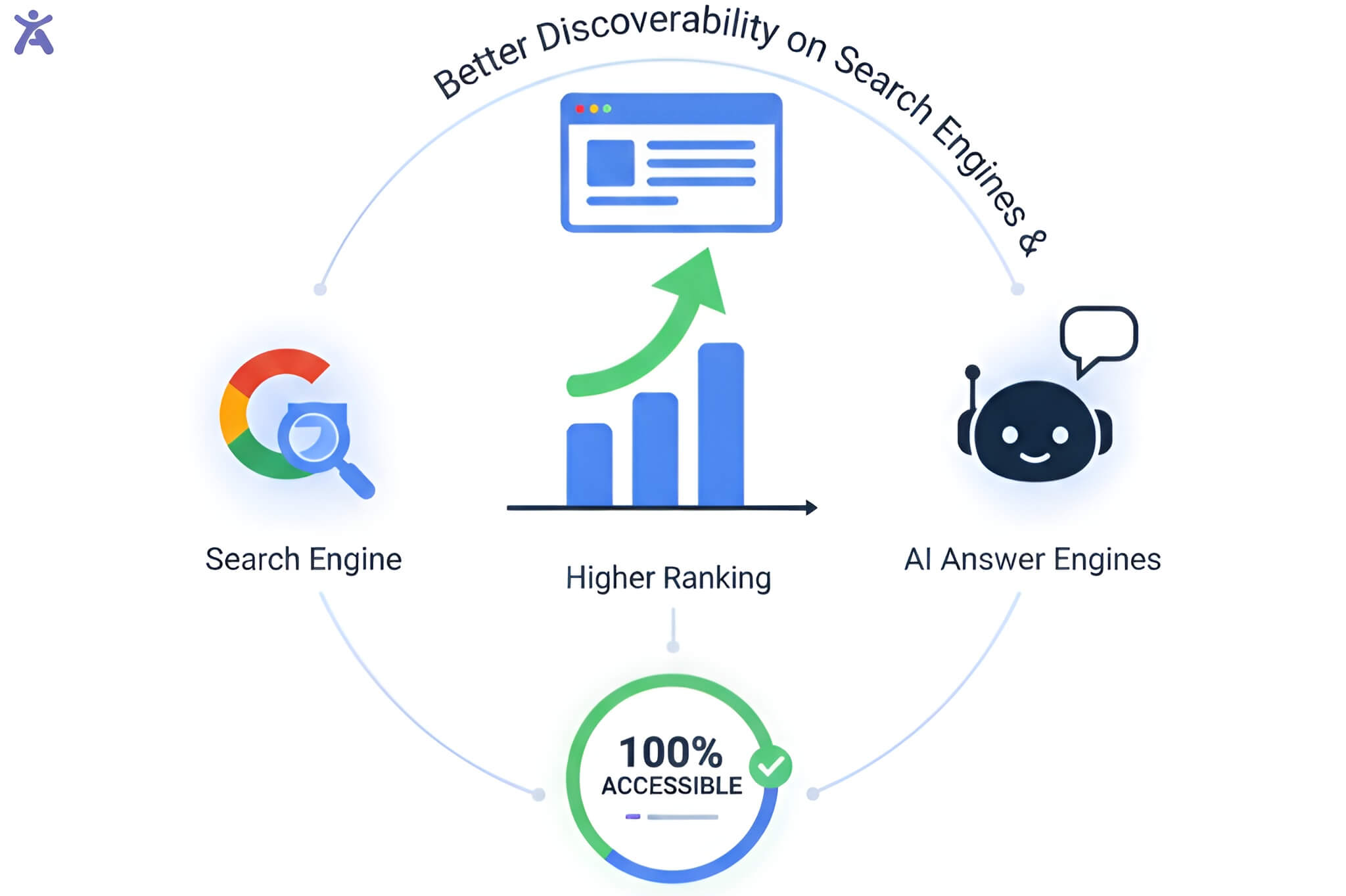
At accessify.app, we provide the defense-in-depth strategy necessary for this volatile landscape. From live violation monitoring to AI-powered audits that identify the “70% gap,” we help brands turn legal risk into a competitive advantage for SEO and AI discoverability.
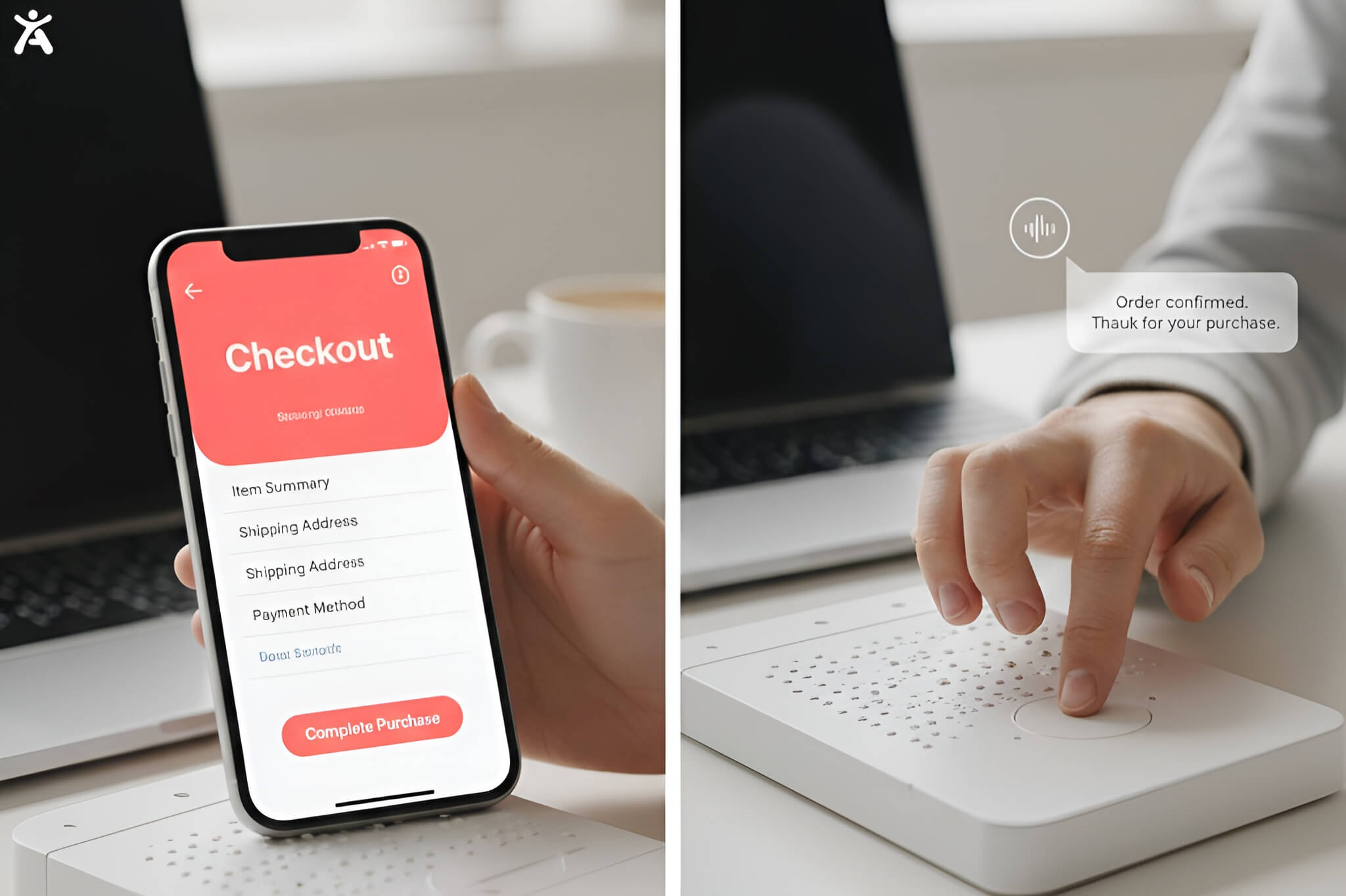
Is your legal team prepared for the 2026 standard? You can audit your website for free at accessify.app to identify high-risk vulnerabilities before they result in a filing.
FAQs
E-commerce remains the epicenter of digital litigation, accounting for roughly 69% to 70% of all lawsuits filed in 2025. These sites are targeted because they are highly visible, transactional, and contain complex interactive elements such as dynamic checkouts, product filters, and carousels that frequently introduce barriers for users with disabilities.
No. Using a widget or “overlay” is not a defensible legal strategy and may actually increase your risk. In 2025, approximately 22.6% of all ADA lawsuits were filed against websites that already had a widget installed.
This is a critical regulatory milestone for the public sector. Under the Department of Justice’s (DOJ) final rule for ADA Title II, state and local government entities serving populations of 50,000 or more must ensure their web content and mobile apps conform to WCAG 2.1 Level AA by April 24, 2026.
The majority of lawsuits are driven by a few recurring failures:
Missing or incorrect Alt Text
Inaccessible Forms
Keyboard Navigation Failures
Lack of Focus Indicators
Yes. While legal interpretations once varied, the DOJ and many federal courts now consistently apply the ADA to digital-only businesses. For example, in 2026, courts in the Seventh Circuit reaffirmed that online-only retailers are considered “places of public accommodation,” meaning they must be accessible even if they have no physical store or “nexus”.